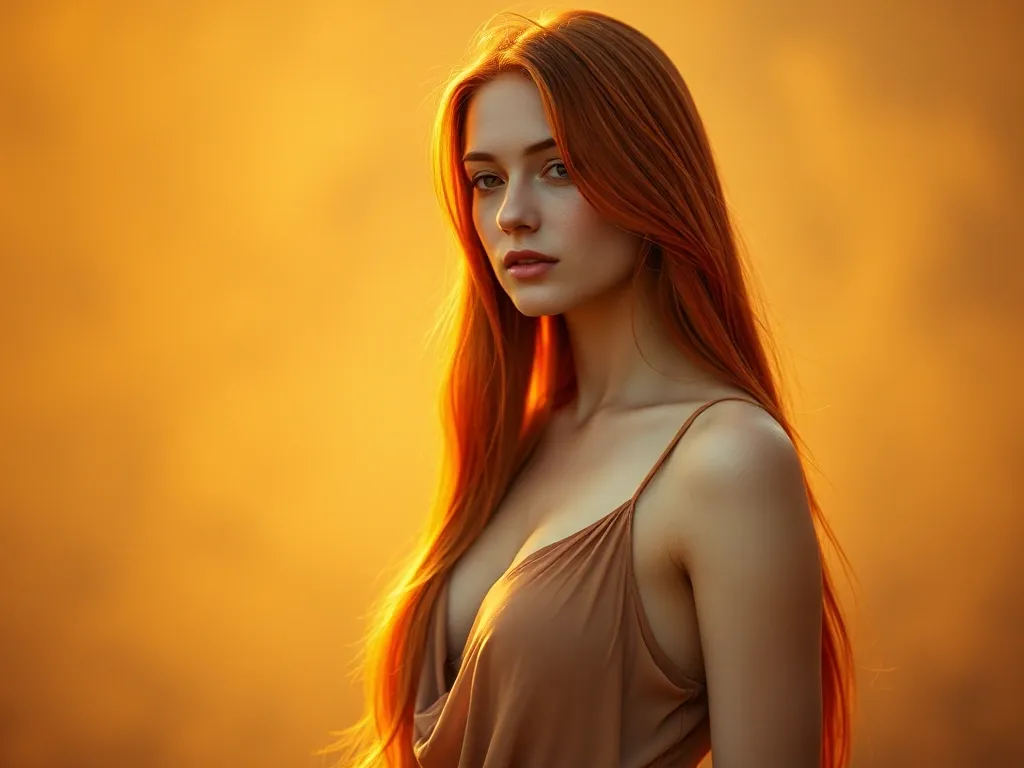
Is Midjourney better than ChatGPT?
Easy to Use
Start creating images in seconds.
Fast Results
Get your AI art instantly.
Endless Ideas
Explore new styles and prompts.
Personal Touch
Make images that fit your vision.
TL;DR
- Interface & workflow: Midjourney is now a full web app (no longer just Discord) with an editor for pan/zoom (“Reframe”), inpainting (“Repaint”) etc.; ChatGPT generates and edits images inside a chat.
- Control model: Midjourney leans on prompt parameters (aspect ratio, stylize, seeds) plus Style Reference / Style Tuner; ChatGPT leans on natural-language instructions and context while 4o handles composition/text better than past DALL·E.
- Rights & licensing: With ChatGPT, you own the output (per OpenAI TOU). With Midjourney, you own outputs too—but companies making >$1M revenue must use Pro or Mega to own assets; public generations are remixable unless you use Stealth.
- Safety & provenance: ChatGPT embeds C2PA Content Credentials in generated images and enforces usage policies; Midjourney’s ToS emphasizes PG-13 guidelines and bans political campaigning, with public-by-default posting unless Stealth.
What each one actually is
- Midjourney — a dedicated visual-first generator with a web editor (remix, inpaint/“Repaint”, Reframe for pan/zoom), parameter power-user controls, and optional Niji anime-tuned models; recent docs reference Version 7 features for Style Reference.
- ChatGPT (OpenAI) — a multimodal chat app that now includes GPT-4o image generation (“Images in ChatGPT”). It focuses on following natural-language directions and rendering legible text; available across Free/Plus/Team etc. with policy guardrails.
Key differences you’ll feel in practice
1. Creative control
- Midjourney: Fine-grained knobs (e.g., aspect ratio, stylize, seeds), Style Reference (
--sref, with V7--svoptions), plus Style Tuner codes to lock a consistent look. Great for brand/style systems. - ChatGPT: Conversational adjustments (“make the lighting moodier; add neon signage; fix the typography”) with 4o’s stronger prompt-following and text rendering vs. older DALL·E.
2. Editing workflow
- Midjourney: Built-in Editor supports inpainting (“Repaint”/Vary Region), pan/zoom (“Reframe”), remix—all in one UI.
- ChatGPT: Edit/regenerate directly in chat; images carry C2PA provenance after edits.
3. Licensing & privacy defaults
- ChatGPT: OpenAI Terms say you own the Output; you can also opt out of training use of your content. Images carry C2PA tags for provenance.
- Midjourney: You own your assets, but if your company’s revenue exceeds $1M/yr you need Pro or Mega for ownership; public generations are viewable & remixable unless you use Stealth (Pro/Mega).
4. Plans & limits (high-level)
- Midjourney: Four tiers (Basic/Standard/Pro/Mega) with Fast GPU hours, Relax mode (unlimited images) on higher tiers, Stealth only on Pro/Mega; published prices show $10/$30/$60/$120 monthly.
- ChatGPT: Image generation via GPT-4o is available in ChatGPT across tiers (rollouts/limits vary by plan and time); see OpenAI’s posts/release notes for current availability.
5. Policy/safety climate
- ChatGPT: Enforces usage policies; added C2PA labeling and has been in the news for style-mimic debates (e.g., Ghibli-style trend) while stating guardrails for living artists.
- Midjourney: Community/ToS restrict adult/gore and electioneering; warns against misleading/deceptive use; public-by-default impacts how/where you share.
When to pick which
- Choose Midjourney if you want hands-on visual control (parameters, consistent style codes) and a powerful editor for iterative art direction.
- Choose ChatGPT if you want chat-native image creation that follows narrative directions closely, strong text rendering, and built-in provenance (C2PA) for distribution.